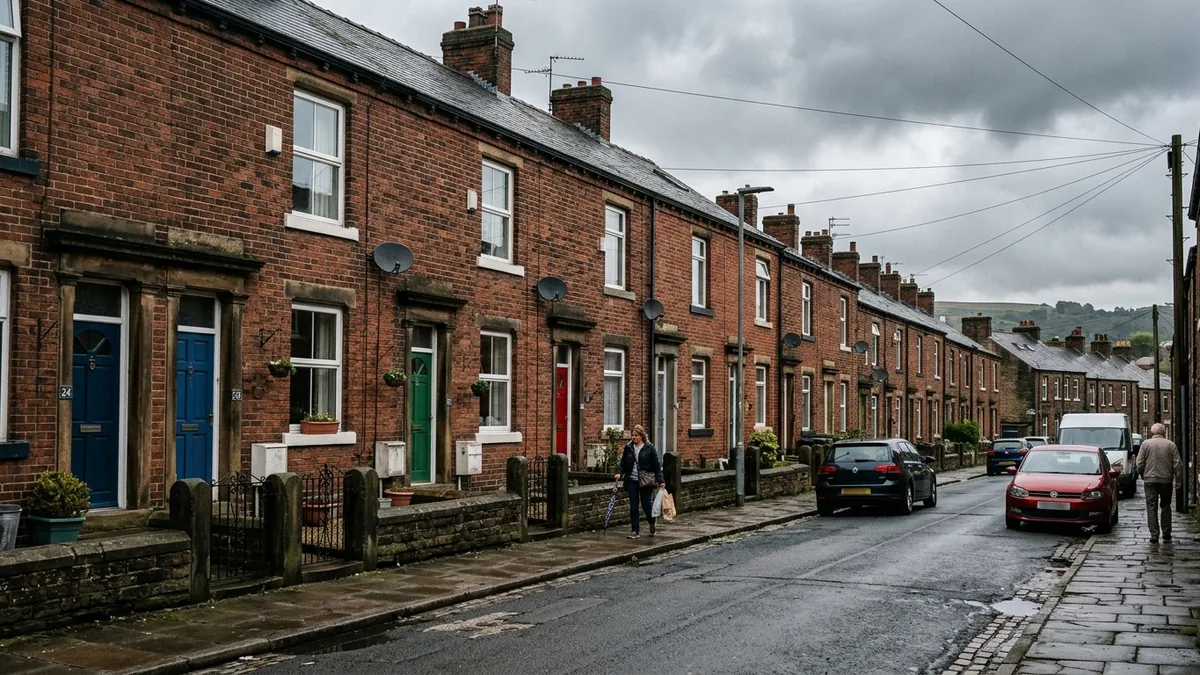
Headline inflation has cooled, but the pressure has simply migrated to rent, insurance and the weekly shop. Mapping the pain in 2026.
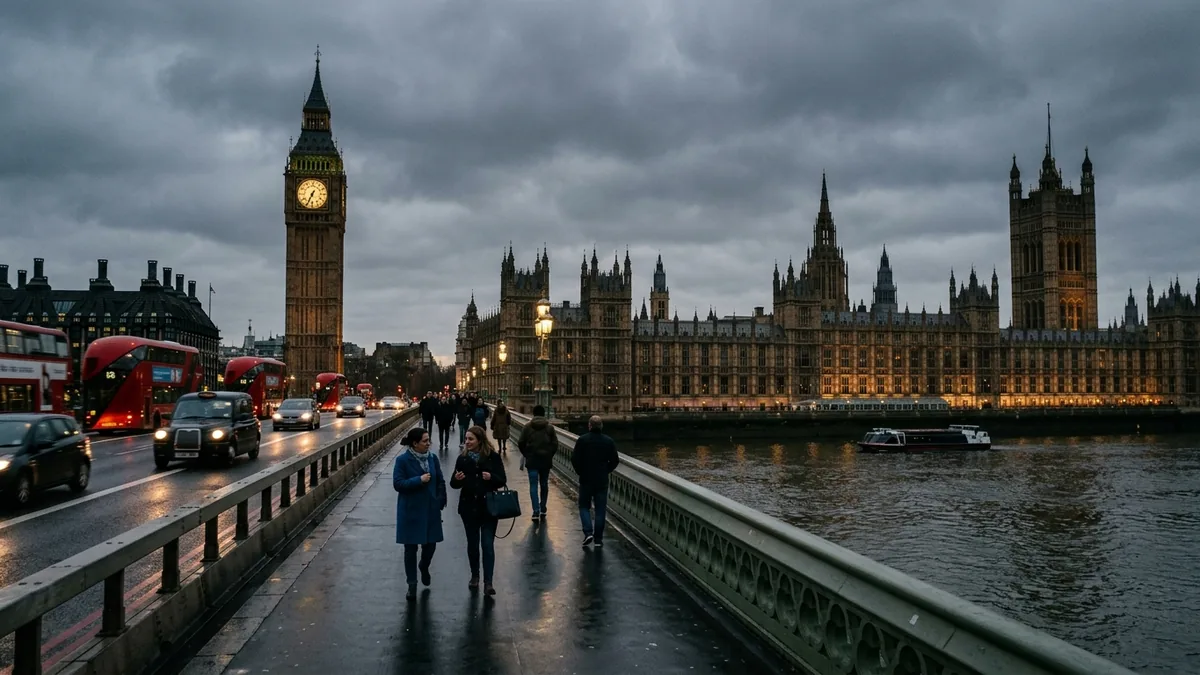
The Westminster response
The official handling of the cost of living has been cautious, with ministers reluctant to commit before the next set of figures. The opposition has seized on the gap, but few of the competing plans survive contact with the arithmetic — and voters seem to sense it.
If you follow one thing about the cost of living, make it the underlying trend rather than the daily noise. The trend is slow, legible and far more reliable as a guide.
What happens next
The realistic outlook for the cost of living is incremental. Expect a period of adjustment rather than a turning point, with the most meaningful change arriving quietly through regulation and spending decisions rather than the set-piece announcements that draw the cameras.
What looks like a sudden change in the cost of living is usually a slow one finally becoming visible.
Who carries the cost
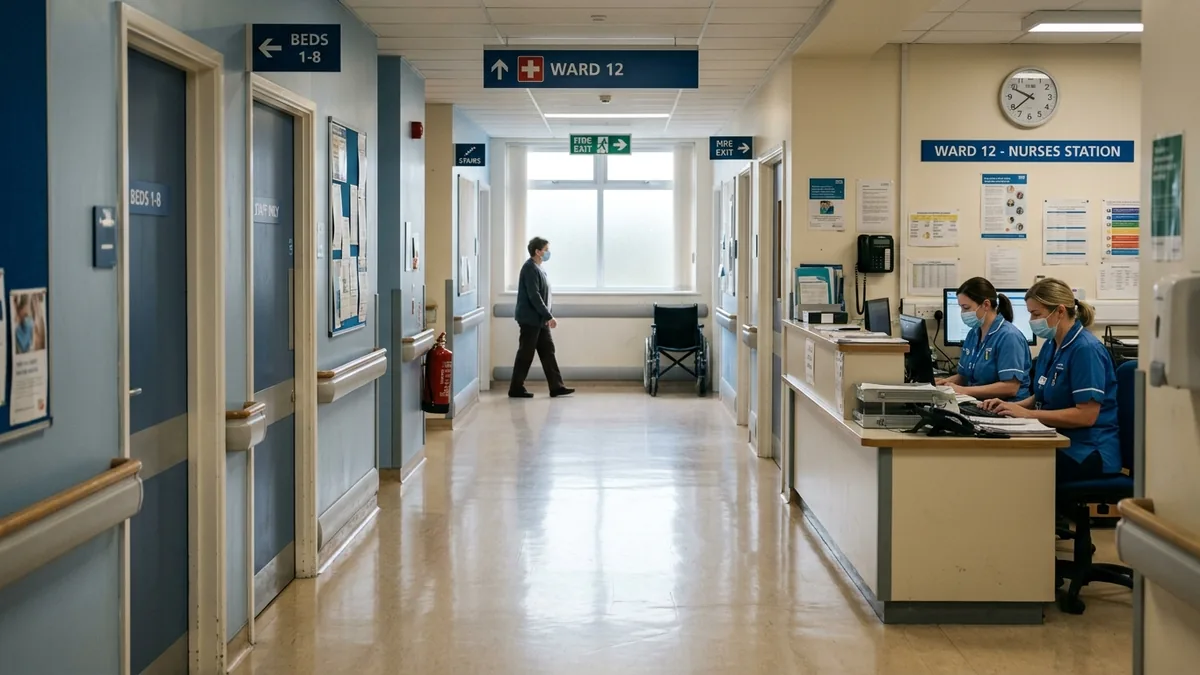
The consequences of the cost of living are not shared evenly. Households on lower and fixed incomes feel them first and hardest, while the institutions meant to cushion the blow are themselves stretched. Any honest account begins with who pays, not with who makes the announcements.
For now, the cost of living remains a story in progress. The smart response is neither alarm nor complacency but attention — watching the quiet indicators rather than the loud ones.
Continue reading with Starguo
You have read the free preview of this article. Subscribe for full access to our reporting, analysis and the complete archive.