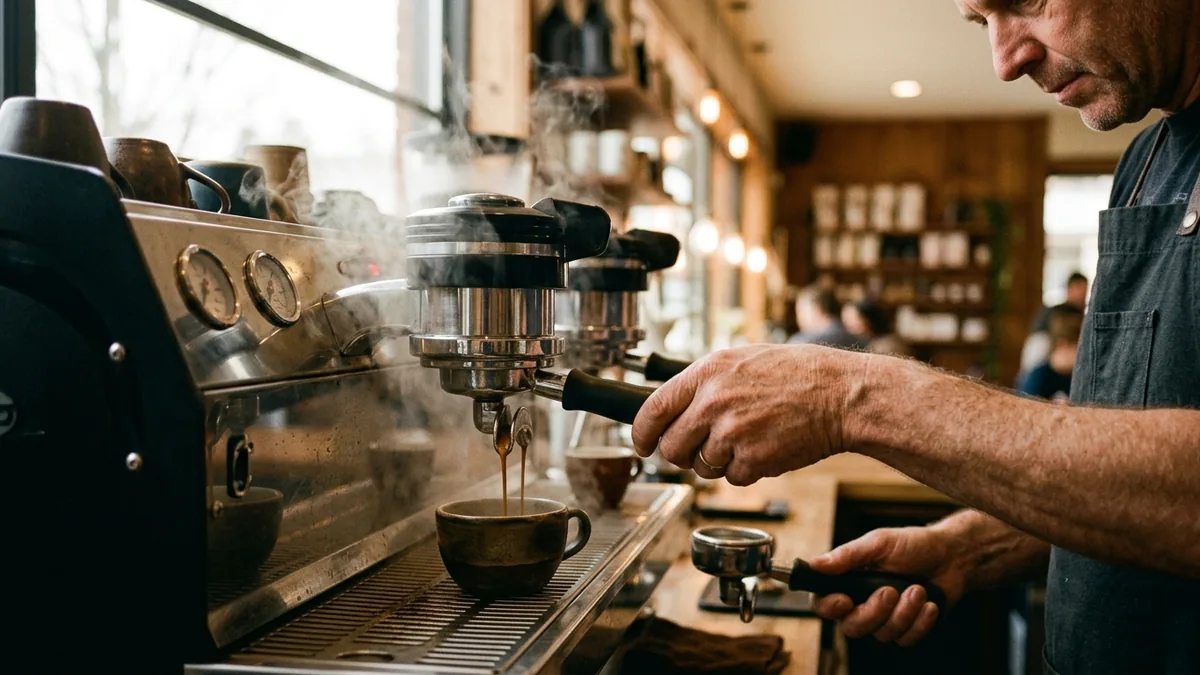
Britain has become a nation of coffee obsessives, and most of the fuss is justified. The distinctions that genuinely change the cup.
Why it appeals
The pull of good coffee is easy to feel and harder to explain. Part of it is a reaction against hurry — a wish for things made slowly and done properly — and part is simply that, done well, it is one of the reliable pleasures of life in Britain.
Most of what is written about good coffee focuses on the dramatic edge cases. The version that affects most people is quieter, steadier and rarely makes the front page.
The cost question
Enjoying good coffee need not be expensive, whatever the glossier coverage implies. The most rewarding version is often the least extravagant, and the instinct to spend your way to a better experience tends to get in the way of the thing itself.
The temptation is to reach for a simple story about good coffee. The truth is more interesting and less convenient.
Making it last
The real test of good coffee is whether it survives contact with everyday life. The version worth keeping is the one that fits around work, weather and budget without ceremony — a habit rather than an event, and all the better for it.
The honest conclusion on good coffee is that the questions are sharper than the answers — which is exactly why it is worth following closely rather than waiting for the verdict.
Continue reading with Starguo
You have read the free preview of this article. Subscribe for full access to our reporting, analysis and the complete archive.