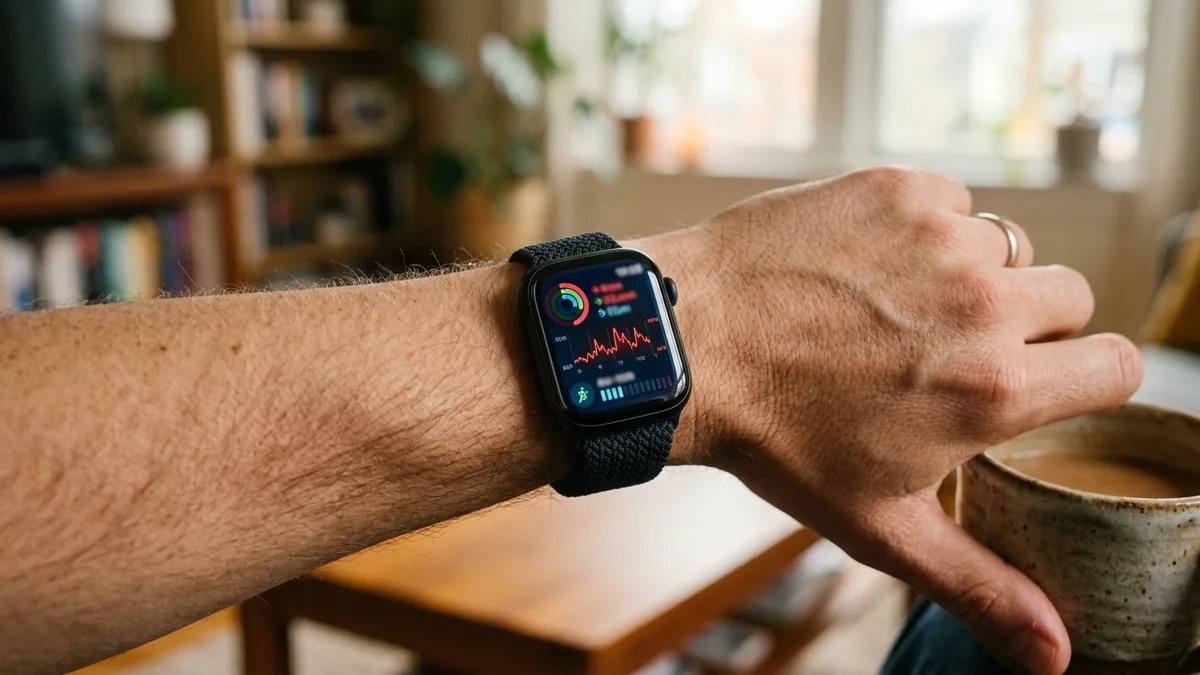
A new generation of health trackers promises to spot illness before you feel it. The technology impresses; the hard questions start now.
Who controls it
The most important question about health-tracking wearables is not what it can do but who owns the parts that matter. Control of the underlying platform — the data, the network, the standard — is where the long-term power and profit sit, and that is being decided now.
health-tracking wearables is moving faster than the official commentary admits, but slower than the headlines fear. The reality sits in the unglamorous middle — which is where the useful reporting lives.
Where it is heading
The trajectory of health-tracking wearables points towards the ordinary rather than the spectacular. Like most genuinely useful technology, it will succeed by disappearing into the background of daily life, noticed only when it fails — the surest sign that it has arrived.
The detail matters more than the slogan, and on health-tracking wearables the detail is where the real argument lives.
The promise and the catch
Every claim made for health-tracking wearables carries a quieter caveat. The gains are real but conditional: they depend on infrastructure that is not yet universal, on standards still being argued over, and on a public willing to change long-settled habits.
None of this is settled, and anyone claiming certainty about health-tracking wearables is selling something. What can be said is that the next year will tell us far more than the last one did.
Continue reading with Starguo
You have read the free preview of this article. Subscribe for full access to our reporting, analysis and the complete archive.