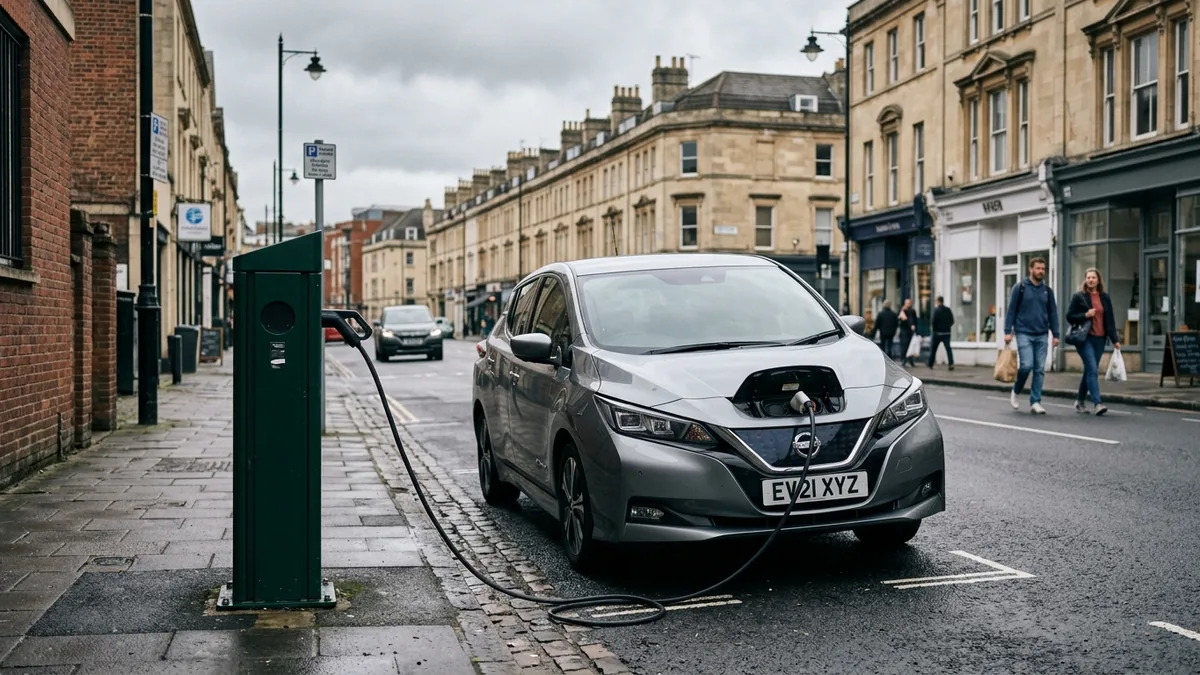
Past the sales targets and political noise, the real story is about charging points, second-hand values and who is being left behind.
The promise and the catch
Every claim made for the electric-vehicle transition carries a quieter caveat. The gains are real but conditional: they depend on infrastructure that is not yet universal, on standards still being argued over, and on a public willing to change long-settled habits.
If you follow one thing about the electric-vehicle transition, make it the underlying trend rather than the daily noise. The trend is slow, legible and far more reliable as a guide.
The regulation question
Lawmakers are racing to catch up with the electric-vehicle transition, and the rules being drafted will shape it more than any single launch. The risk runs both ways: too little oversight invites harm, too much freezes the experimentation that makes the technology useful.
On the electric-vehicle transition, the loudest voices and the best-informed ones are rarely the same people.
How it actually works
The technology behind the electric-vehicle transition is less mysterious than the marketing implies. Stripped to essentials it is a familiar trade-off between capability, cost and trust, and the version that wins is rarely the most advanced — it is the one people can be persuaded to rely on.
What is clear is that the electric-vehicle transition will not resolve itself neatly. The interesting part is how the people involved adapt, and on that the evidence is only beginning to come in.
Continue reading with Starguo
You have read the free preview of this article. Subscribe for full access to our reporting, analysis and the complete archive.